

- Scott Brenton
- 9 min read
I noticed it about three weeks into taking Lion’s Mane every morning: my stomach stopped feeling unsettled after coffee. A grower at Foxfire Mushrooms laughed
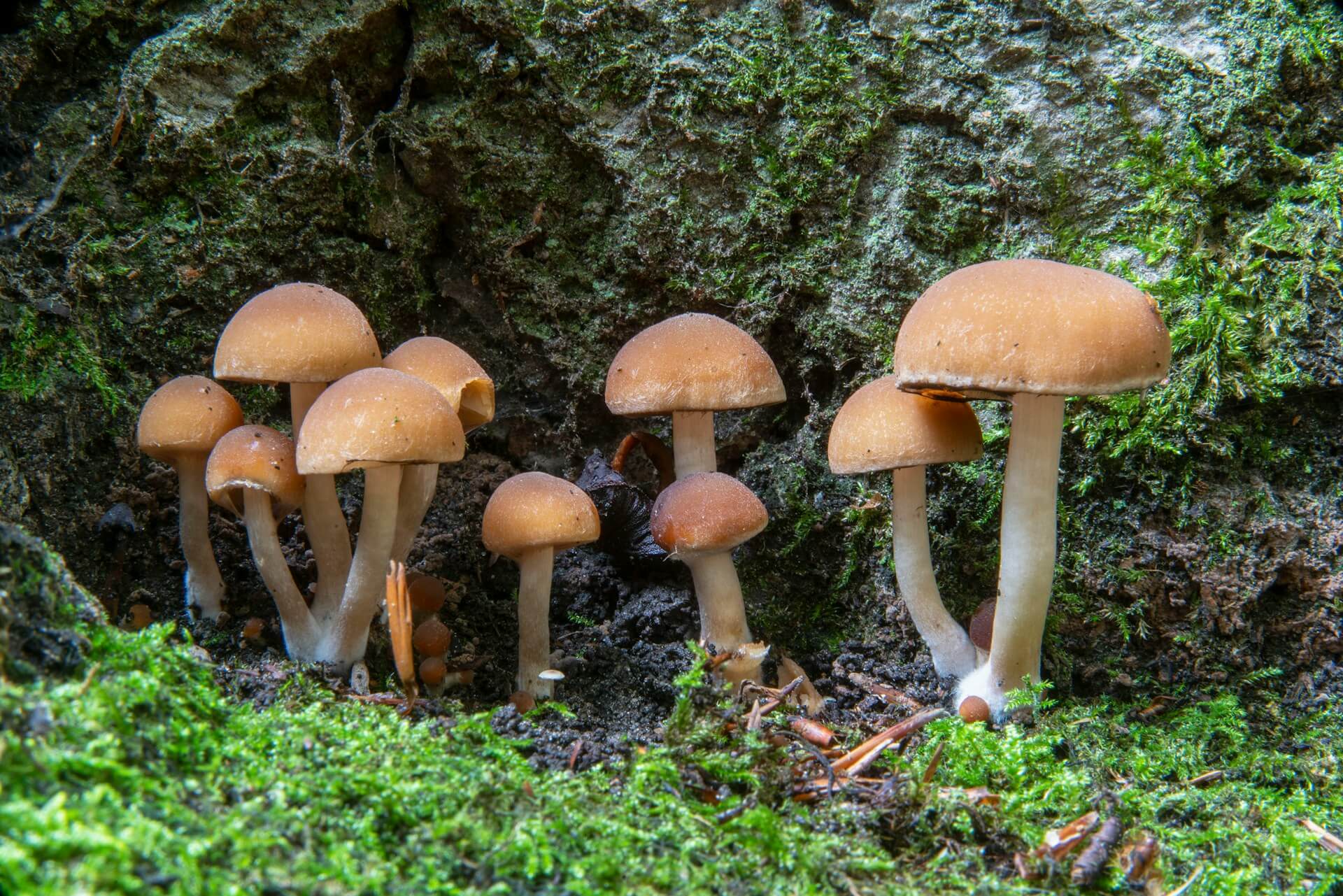
When we talk about sustainability, we often think of trees, oceans, and clean energy — but rarely mushrooms. Yet fungi are among the most powerful and underrated allies in the fight for a healthier planet.
Let’s explore how mushrooms support ecosystems, clean our environments, and inspire a more sustainable future.
Mushrooms are the fruiting bodies of fungi, and beneath them lies an invisible, interconnected web called mycelium. This underground network acts as nature’s recycling system, breaking down dead plants, wood, and organic matter into rich, fertile soil.
Without fungi, forests would drown in their own debris. Their ability to decompose and regenerate makes them crucial to soil health, biodiversity, and carbon cycling.

Certain mushrooms have the remarkable ability to absorb and break down toxins — a process known as mycoremediation.
This opens the door to sustainable solutions for environmental damage — with fungi at the frontlines of cleanup.
Innovators are harnessing mushrooms to replace plastics, leather, and synthetic materials:
By growing materials instead of extracting them, fungi offer a circular, low-impact path for design and production.
Mushrooms are not only good for the planet — they’re good for us. Many species are rich in protein, vitamins, and fiber, and require far less water and land to grow than meat or even many vegetables.
Home growing kits, vertical farms, and even urban mushroom “mines” are making it easier to produce healthy food in sustainable ways.
Fungi remind us that sustainability isn’t always about doing more — sometimes it’s about letting nature do what it does best.
Through their quiet, unseen work, mushrooms heal, feed, clean, and connect.
As we look for regenerative solutions to global challenges, the humble mushroom may just be one of the smartest allies we have.
Share this article
I noticed it about three weeks into taking Lion’s Mane every morning: my stomach stopped feeling unsettled after coffee. A grower at Foxfire Mushrooms laughed

The first time I tried to make mushroom coffee at home, I dumped a spoonful of chopped dried reishi straight into my drip machine’s filter

I had two bottles of Lion’s Mane capsules sitting on my kitchen counter last winter, one from a supplier I couldn’t place and one that
Grab a beginner-friendly kit and apply what you just read —
or start with our beginner’s guide to find the right first grow.